Joel Talks - Regular Maintenance of Pool Equipment
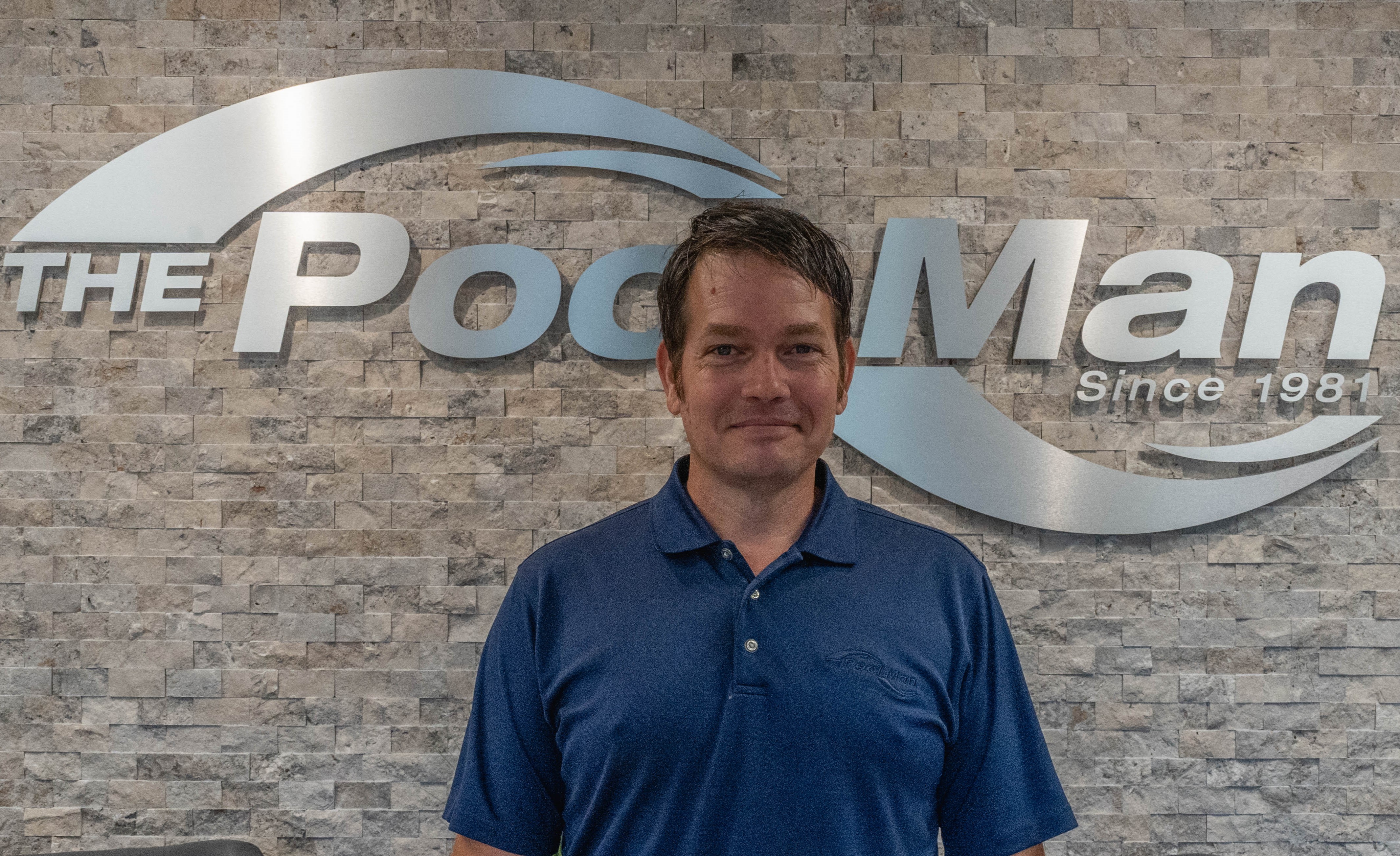
Our Service Manager, Joel Fitzgerald has been with the The Pool Man for 18 years, most of which he spent as our "Boots on the Ground" filling the role of Senior Service Technician. With over 22 years industry experience, he's seen alot, and been asked a lot...so what better source to answer some FAQs online to help folks out? This week, we're going to talk about regularly scheduled maintenance for your pool equipment.
Customer Question – “ Is there anything I need to do with my pool equipment like oil changes for my vehicles?”
Answer – Yes! While most of the pool equipment is self-contained there are a few things you can do to help prolong the life expectancy.
- Filter cleans – If you look at your pool equipment in terms of anatomy, the filter is like your kidneys. It is very important that it functions as good as it can and therefor the recommended interval for cleaning the filter is default at bi-annually, but there are some environments that would benefit from more frequent cleanings. The more the merrier in my book! The average life out of a set of cartridges is 4-5 years, but keeping them clean with quarterly cleanings can sometimes double that.
- Chlorinators – The heart of your sanitization system. Over time these devices can become clogged or susceptible to extreme wear due to the caustic nature of chlorine. Periodic inspections and component replacement will aid in a worry-free season. There’s nothing worse than getting caught with a clog during the summer when demand is at its highest. The condition of the tubes (if applicable) is easily seen as they will start to form bumps as they deteriorate. Internal components are tougher to notice, but certainly show themselves as you will experience decreased chlorine levels and tab dissolve rates. The lid O-ring would be almost an annual replacement as it sees the most damage from the chlorine tablets.
- Pumps – If the filter is like your kidneys, then pumps are your like your heart, pumping that life sustaining juice to and from the pool. Pumps can also experience issues that result in undesirable flow to and from the filter. Like a blocked artery, decreased flow rates are very hurtful to the entire system. Ensuring that the pumps are running as efficiently as possible is paramount to water quality overall. Something as simple as a worn lid O-ring can introduce turbulence into the system, and those tiny air bubbles pack a powerful punch as they are forced through the plumbing and back out to the pool. You should be inspecting the lid O-ring every time you clean the basket. Ensure it is free of debris and check for cracks in the rubber by stretching it a little. Wet spots around your pump are of extreme importance as well. A leaking mechanical seal can lead to bearing noise (loud grind) in as little as 3 days!
- Heaters – While heaters seem to be the least thought about piece of equipment (until cooler weather), running them periodically can help deter rodent infestation. While it is nearly impossible to keep rodents out of a heater, you can take steps to ensure their stay is limited. Placing a bait box outside the heater is a great deterrent. Keep an eye out for sticks, pine needles or other leafy debris poking out of the heater’s cabinet that will signify a potential problem, and the heater should be taken apart and cleaned out. Some heaters do have rodent vent cover kits available which are bolted to the cabinet, preventing intrusions of most critters. These are a great option if you have had the displeasure of needing to replace a chewed-up wire-harness.
- Valves – There are two types, diverter and check valves. If you have a spa, the two diverter valves that see the most action are the suction and return valves that automatically (or manually) switch from pool circulation to spa circulation. This action is really hard on the O-rings inside the valve, and you may experience either a drip (return valve) or air intrusion (suction valve) when the O-rings become damaged. Raised spas (spa higher than the pool) will have check valve(s) that are designed to prevent the higher body of water from siphoning down to the lower body when the pumps shut off for the day. If you notice the spa level drops when the equipment is off, this valve needs to be replaced. There is also a check valve outside your heater. This check valve prevents the chlorinated water from backing up into the heater when the pump shuts off. Chlorine loves snacking on copper, so this valve is super important and should be periodically replaced, especially if you can visually confirm rust or corrosion through the clear lid.
- In-Floor cleaning systems – We do offer a service that is recommended annually to check the entire system from the equipment pad back to the pool. These systems are amazing, until they aren’t. Ensuring that they are operating to their full potential will provide ease of mind as well as an enjoyable pool experience. Noticing issues early are very important as allowing them to exist for prolonged periods will lead to expensive repairs. Areas of concern would be noticing that the pop-up heads are either not popping up or are staying up, as well as debris collecting in areas where it usually doesn’t.
The Pool Man is equipped to handle all of your repair and service needs. We do offer services to attend to those needs in the form of seasonal check-ups, annual in-floor inspections and filter cleans. Our staff of experts can identify and diagnose most problems with ease and you can rest assured that we will approach your specific needs or concerns with pride and integrity.