Joel Talks - Pool Service Q&A: Pool Algae Problem
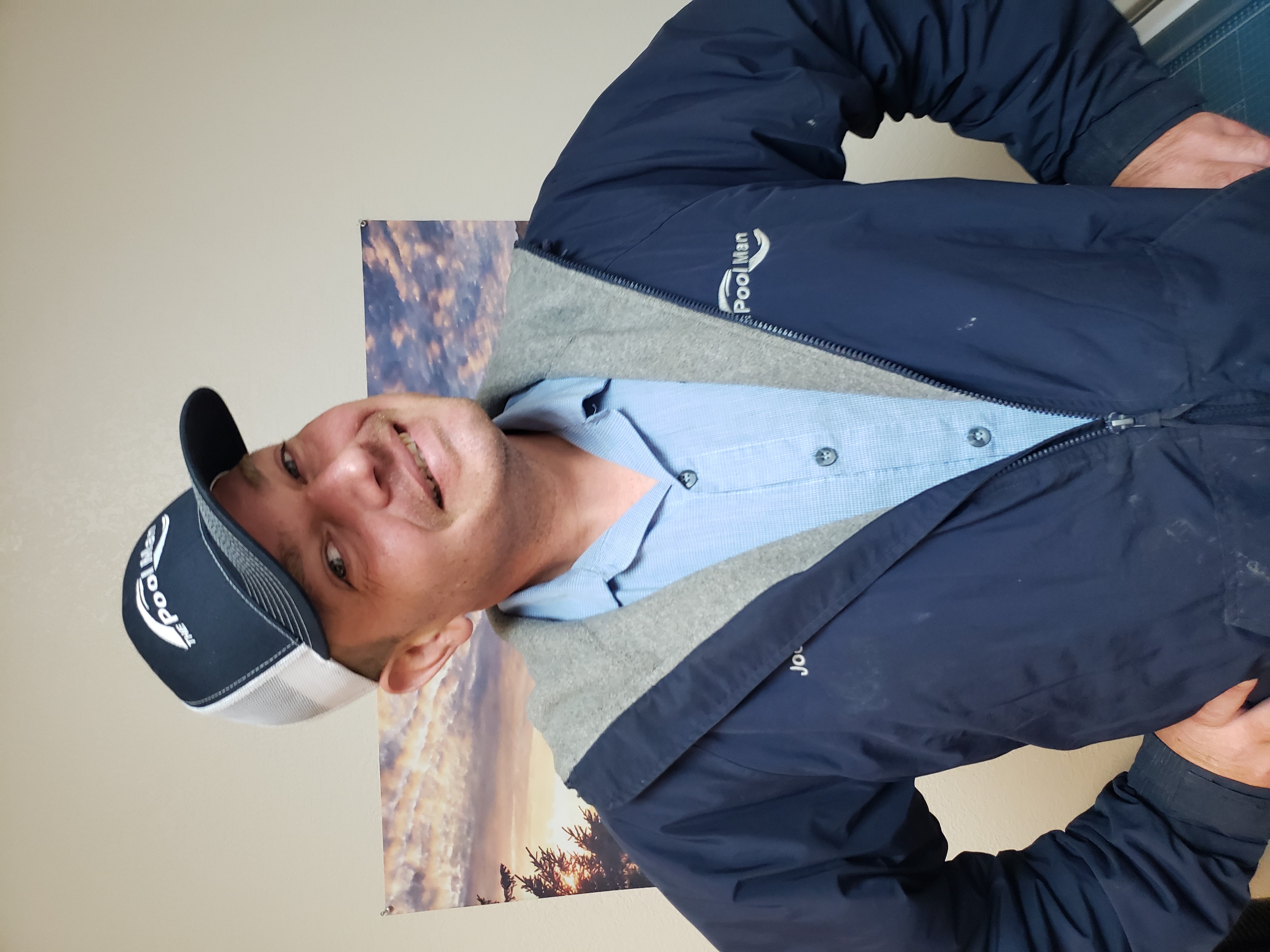
Our Service Manager, Joel Fitzgerald has been with the The Pool Man for 18 years, most of which he spent as our "Boots on the Ground" filling the role of Senior Service Technician. With over 22 years industry experience, he's seen alot, and been asked a lot...so what better source to answer some FAQs online to help folks out? This week, we're going to talk about algae. Do Phosphates cause algae in pools?
Customer Question – “ I was told that my algae issues are due to there being phosphates in my pool! Help!”
Answer – True and false. True: phosphates are a great source of nutrition for algae, kind of like Red Bull! Also true: phosphates are on everything from your skin to plant debris so there is no way to completely remove them from your pool. False: phosphates are causing my algae issue. There is usually another reason that algae is forming in your pool. There is a whole world of potential factors such as pump run time, filter flow rate and of course chemistry issues. It doesn’t help that opinions about phosphate issues are like bellybuttons, everyone has one and they are widely different. As well as online statements being all over the place. One thing that we know is phosphate levels are measured in parts per billion (ppb) which is 1000 times smaller than parts per million (ppm) that your chlorine is measured at. Acceptable levels are below 5000ppb. Levels above 5000ppb should be attended to by using a phosphate remover. To put this in perspective, salt levels in your pool should be around 3,500,000 ppb while salt levels in the ocean are 35,000,000 ppb! So 5000ppb is certainly not a huge number and most pools we see come in at less than 1500ppb normally.
Tips/Tricks – If you are dealing with algae here are a few things you can do. Your best algae killer is your brush! Brushing your pool at least once a week is recommended, the more the merrier and it is an awesome shoulder workout. Algae can create a protective shield around itself which will prevent the chlorine from killing it, brushing breaks this shield and puts the algae into the water allowing the chlorine to go to work. Shock the pool! Shocking the pool will increase the chlorine level really high to aid in killing the algae. Shocking after brushing and doing this at dusk (when the sun goes down) will have the greatest result due to the lack of Uv depleting the chlorine before it has the chance of going to work. There are products on the market made specifically to kill algae. We recommend that you read up on these products before implementing them because they can lead to other issues if not used correctly. Finally, we have CYA. CYA (otherwise known as Cyanuric Acid and "stabilizer") seems to be a major contributing factor in preventing the chlorine from handling the algae. CYA acts as sunscreen for chlorine and effectively allow the chlorine to last 3-5 times longer in a pool from being degraded by Uv from the sun. Unfortunately, it does not evaporate or dissipate but rather leaves the pool by either splash out or diluting the water by over filling/draining the pool and re-filling with fresh water. CYA levels over 80 can contribute to algae issues and should be attended to for worry free pool fun in the summer.
Take-aways – Retail stores are in the business to sell you chemicals, but arming yourself with proper knowledge will aid you in knowing when you need additional help. It is not uncommon for retail stores to have cross-contaminated testing equipment as they must test 100’s of pools monthly so the best defense would be for you to invest in a professional test kit and test your water yourself. Know your levels, do your research and lean on industry expertise when it comes to issues in the pool.
Do you have questions you'd like help with from Joel? Give us a call at (281) 251-2577 and ask for him by name, OR send us an email at info@poolmaninc.com and let's see what we can do to help your pool ownership something fun instead of a high-maintenance worry!
Posted in: Health & Wellness , Pool Maintenance , Pool Service , Pool Tips
Tags: cyanuric-acid , pool-service-and-repair , pool-service-company , pool-service-magnolia , pool-water-chemistry , pool algae , pool maintenance tips , phosphates in pool , pool troubleshooting , pool cleaning tips , diy pool care , pool service cypress , pool service tips